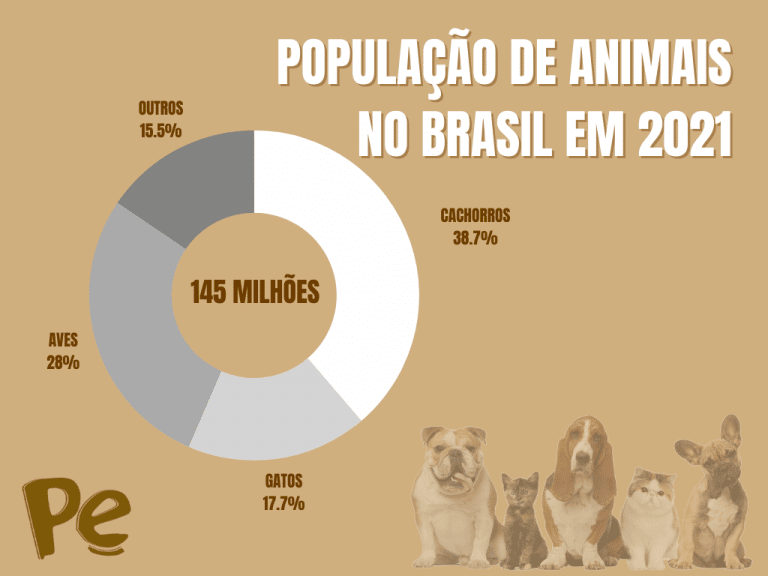
The Brazilian pet market keeps growing — and the numbers make that clear. Brazil already has more than 160 million pets, including approximately 62 million dogs and more than 30 million cats. This universe moves more than R$77 billion per year, placing the country among the world’s largest pet markets.
This growth, however, brings with it an essential point: the larger the sector, the greater the responsibility. In this context, animal welfare ceases to be a differentiator and becomes a basic requirement — ethical, social, and also strategic.
The New Pet Consumer Profile
Pet owners have changed. Today, dogs and cats are family members, not just companion animals. This directly impacts consumer behavior: the public is more informed, more demanding, and much more attentive to how companies treat animals.
Before hiring a service, buying a puppy, or choosing a pet shop, consumers seek information, reviews, and, most importantly, clear signs of responsibility. Companies that do not demonstrate a commitment to animal welfare face immediate — and often public — rejection.
What Are Animal Welfare Policies in Practice?
Talking about animal welfare goes far beyond avoiding mistreatment. It is about creating clear, structured, and applicable guidelines for the day-to-day operations of the company. This includes:
- Adequate housing conditions, space, and hygiene
- Respectful handling, without practices that generate stress or suffering
- Health protocols, vaccination, and veterinary monitoring
- Safe and appropriate transport
- Socialization and environmental enrichment, especially for breeders
- Staff training to handle animals correctly
These policies must be documented, communicated, and — above all — followed.
Ethics and Reputation Go Hand in Hand
In a highly connected market, a company’s reputation can be built — or destroyed — quickly. A single incident of negligence can gain enormous proportions on social media. On the other hand, companies that demonstrate transparency and real commitment to animal welfare earn something much more valuable than customers: trust. And trust generates referrals, loyalty, and sustainable growth.
Animal Welfare as a Competitive Advantage
More than avoiding crises, investing in animal welfare policies is an intelligent positioning strategy. Companies that adopt good practices can:
- Add value to their products and services
- Justify higher prices based on quality and ethics
- Create an emotional connection with the public
- Stand out in an increasingly competitive market
In the case of breeders, for example, attention to well-being directly impacts the health, behavior, and longevity of dogs — decisive factors for those seeking a puppy.
The Future of the Pet Sector Is Conscious
The trend is clear: the pet market will continue to grow, but will also become more regulated, more scrutinized, and more demanding. Companies that anticipate this and build solid animal welfare policies do not just follow this evolution — they lead it.
In a country where more than half of households have a pet, and where the emotional bond between humans and animals is increasingly strong, ensuring quality of life for animals is not just an ethical responsibility. It is a commitment to the future of the business itself.